Rinjani trekking Mount Rinjani Hike Adventure Awaits
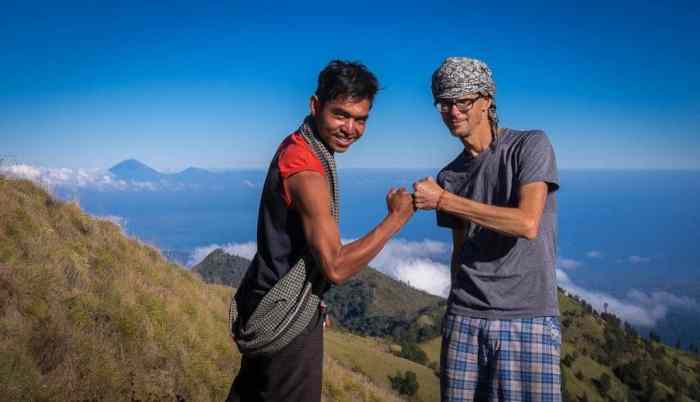
Rinjani trekking Mount Rinjani Hike is not just a stroll in the park; it’s more like an epic quest fueled by sweat, determination, and possibly a few snacks! Nestled in Indonesia, Mount Rinjani is a giant among volcanoes, beckoning thrill-seekers and nature lovers alike with its breathtaking views and challenging trails. Whether you’re strapping on your hiking boots for the first time or you’re a seasoned pro who communicates with trees, there’s a trekking route here that will tickle your fancy and test your stamina.
With routes ranging from gentle slopes to heart-pounding ascents, and a climate that’s as unpredictable as your cousin’s karaoke skills, this trek has it all. The best time to tackle this natural wonder? Well, let’s just say you’ll want to avoid the rainy season unless you fancy a mudslide as your best friend. Prepare to be mesmerized by not just the scenic beauty, but also the unique flora and fauna that call this majestic mountain home!
Rinjani Trekking Overview
Mount Rinjani, the majestic volcano located on the stunning island of Lombok, Indonesia, is not only a geographical marvel but also a paradise for trekking aficionados. Standing tall at 3,726 meters, it is the second-highest volcano in Indonesia and offers a unique blend of natural beauty, diverse ecosystems, and cultural significance. This enchanting mountain is revered not just for its breathtaking views but also for its sacred status among the Sasak people, who believe that the summit, known as Gunung Rinjani, is the home of the gods.
Trekking here is more than just a hike; it’s an adventure steeped in myth, nature, and some serious cardio!The trekking routes on Mount Rinjani vary significantly in terms of scenery and difficulty, catering to both novice hikers and seasoned adventurers. The two most popular trails are the Senaru and Sembalun routes. The Senaru route is often deemed slightly easier, but don’t be fooled; it still demands a good level of fitness and determination.
The Sembalun route, on the other hand, takes you through an undulating, scenic ascent that promises stunning vistas but also tests your endurance with its steeper inclines. Each route has its own unique challenges and rewards, making Rinjani a versatile trekking destination for all levels of trekkers.
Trekking Routes and Difficulty Levels, Rinjani trekking Mount Rinjani Hike
Understanding the various trekking routes and their respective challenges is crucial for planning your adventure effectively. Here’s a breakdown of the prominent routes:
- Senaru Route: This is the most traveled path among trekkers. With its lush forests and diverse wildlife, the Senaru route is considered moderate in difficulty. The trek typically lasts for two to three days, culminating in a stunning view of the crater lake, Segara Anak.
- Sembalun Route: Known for its panoramic views, the Sembalun route is characterized by open grasslands and fewer trees. It’s slightly more challenging, often requiring three days of trekking. Prepare for steep climbs and breathtaking landscapes that make every step worth it!
- Extra Challenge – Summit at Night: An adrenaline-pumping adventure awaits those who opt to summit at night, usually starting around midnight. This requires a high level of fitness, as the ascent can be steep and demanding, but reaching the summit at dawn offers a sunrise view that is nothing short of miraculous!
The best times to embark on your Rinjani trek are typically during the dry season, from April to December. During these months, the weather is generally more stable, and the chances of rain are minimal, allowing trekkers to enjoy clear views and pleasant temperatures. However, even during this period, it’s wise to be prepared for sudden weather changes, as Mother Nature has a penchant for surprises.
“There’s no such thing as bad weather, only inappropriate clothing!”
In summary, Mount Rinjani offers an unrivaled trekking experience with its stunning landscapes, rich biodiversity, and culturally significant backdrop. Whether you’re chasing breathtaking sunrises, seeking adventure, or indulging in local folklore, Rinjani is a trekker’s dream come true!
Preparation for the Trek
Embarking on the grand adventure of trekking Mount Rinjani is no small feat; it’s more than just lacing up your boots and hitting the trail. It requires a bit of preparation, a sprinkle of determination, and a dash of humor to tackle the lofty heights. Here’s how to gear up for this epic adventure and avoid panting like a fish out of water at 3,726 meters!
Essential Gear and Equipment
To tackle the rugged slopes of Rinjani, packing the right gear is crucial. Forgetting a key piece of equipment could turn your trek from a majestic adventure into a comedic tragedy. Here’s a rundown of the essential items to ensure you’re both stylish and safe on the trails:
- Backpack: A trusty pack (50-70 liters) is your best friend. Choose one that’s comfortable and has enough space to fit all your necessities. Bonus points if it has extra pockets for snacks!
- Footwear: Invest in good quality hiking boots with ankle support. Blisters are not a good look, trust me.
- Clothing: Layering is key! Think moisture-wicking base layers, insulating mid-layers, and waterproof outer layers. Fashionistas might want to stick to colors that blend with nature… or not!
- Sleeping Gear: A lightweight sleeping bag rated for low temperatures and a compact sleeping pad will keep you cozy for those chilly mountain nights.
- Cooking Equipment: A portable stove, cooking pots, and utensils are essential for those gourmet meals at camp. Who knew ramen could taste like five-star cuisine at 3,000 meters?
- First Aid Kit: A well-stocked first aid kit is a must. Include items like band-aids, pain relievers, and, of course, your secret stash of chocolate for emergencies.
Physical Fitness Requirements
Being fit for the trek is more than just flexing your biceps in the mirror. Rinjani isn’t a leisurely stroll in the park; it demands cardiovascular stamina, strength, and a mental mindset that says, “I can conquer this!” Here’s a quick guide to whip yourself into trekking shape:
- Cardio: Aim for at least three cardio workouts a week—jogging, cycling, or even a spirited dance-off in your living room will do the trick!
- Strength Training: Focus on leg and core strength. Squats, lunges, and planks will help you power up those steep inclines.
- Hiking Practice: Find local trails to hike regularly. Not only does it build endurance, but it also gives you a chance to practice your “I’m not tired” face.
Acclimatization Tips
Acclimatizing to the altitude is like training your body to appreciate the finer things in life, like oxygen and gravity. It’s vital for preventing altitude sickness and ensuring that you can enjoy the stunning views without feeling like a dizzy giraffe. Here’s how to ease into it:
- Gradual Ascent: Plan for a slow ascent. Don’t be that person who rushes to the summit only to realize they’ve become a human disco ball—dizzy and spinning!
- Stay Hydrated: Drink plenty of water. Dehydration can exacerbate altitude sickness, so keep sipping like your life depends on it (it kind of does).
- Take it Easy: Allow for rest days. Use them to soak in the views and practice your best “I’m a mountain conqueror” pose.
- Watch Your Diet: Eating light and nutritious meals can help. Think about foods that keep you energized, not bogged down. Nobody wants to scale a mountain while feeling like a stuffed turkey!
“Preparation is the key to success—unless your key is a joke. In that case, just bring snacks.”
Experience During the Trek
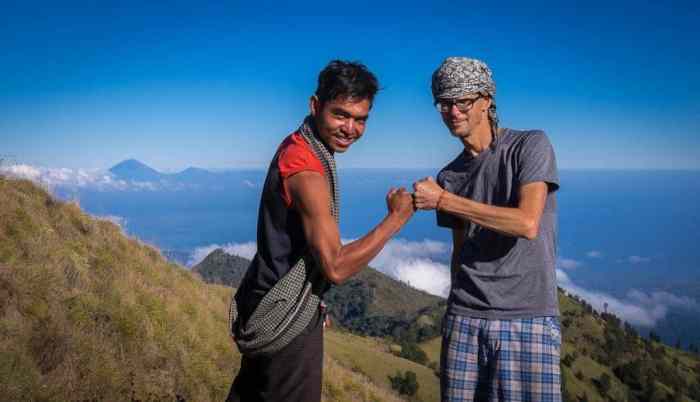
As you lace up your hiking boots and prepare for an adventure that promises to challenge both your legs and your sense of humor, the journey through the Mount Rinjani trek unfolds like a plot twist in a novel. With every step, you will encounter breathtaking landscapes, vibrant flora, and unique wildlife that seem to have leapt straight out of a nature documentary.
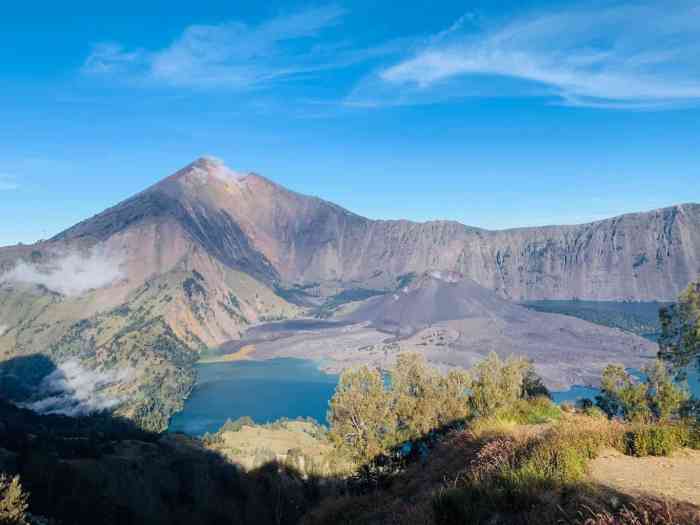
Each landmark along the trail is a chapter in your trekking story, offering both a respite and a moment of awe.The trek itself is a vibrant tapestry of experiences. Starting at Senaru, hikers are greeted by lush forests that whisper secrets of ancient times. As you ascend, the scenery shifts dramatically, revealing stunning views of Segara Anak Lake, a magical crater lake nestled within the heart of Rinjani.
The diverse flora includes tropical rainforests, grasslands, and rocky terrains, all teeming with life. You might even spot the cheeky long-tailed macaques swinging from the trees, eyeing your snack with a mischievous glint.
Key Landmarks and Unique Flora and Fauna
The path to Rinjani is dotted with key landmarks that serve as both resting points and photo ops to feed your Instagram obsession. Understanding these landmarks helps in appreciating the trek’s diversity and beauty. Here’s a brief overview of what you can expect to see:
Senaru Village
The starting point of your adventure, where local culture meets the wilderness. Expect friendly smiles and the smell of delicious local cuisine wafting through the air.
Pos 1 and Pos 2
These campsites provide the first panoramic views of the lush surrounding valleys. Be sure to take a moment (or three) to absorb the beauty before pushing on.
Rinjani Crater Rim
Standing at the edge of the crater, you’ll feel like you’re on top of the world. The views are so breathtaking; even your legs will forget they’re tired!
Segara Anak Lake
A shimmering gem at the base of the volcano, this lake is not just a feast for the eyes but also a sacred spot for many locals. Rumor has it, the fish here are expert at dodging hooks!The flora of Rinjani provides a colorful backdrop to your experience. From the towering pine trees to vibrant orchids, the plant life paints a picture of biodiversity.
Unique fauna can also be spotted; from the endemic Rinjani scops owl to vibrant butterflies, the region is a haven for nature lovers.
Typical Multi-Day Trek Itinerary
Planning your trek means knowing what to expect each day. Here’s a comprehensive itinerary to guide you through the Rinjani adventure, ensuring you’re well-fed, well-rested, and well-prepared for the occasional encounter with a cheeky monkey.Day 1: Senaru to Pos 1
Morning
Depart from Senaru after an energizing breakfast.
Midday
Arrive at Pos 1 for lunch amidst lush greenery.
Afternoon
Trek to Pos 2, soaking in views and snapping photos.
Evening
Set up camp, enjoy dinner, and share stories around the campfire.Day 2: Pos 2 to Crater Rim
Morning
Early morning departure to avoid the midday heat.
Midday
Break for lunch at a scenic viewpoint, where you can marvel at the vistas.
Afternoon
Arrive at the Crater Rim for a well-deserved rest, and prepare for sunset views over Segara Anak Lake.
Evening
Dinner at the rim, followed by stargazing that will leave you in awe.Day 3: Crater Rim to Summit
Early Morning
Pre-dawn trek to the summit. Brace yourself for a chilly ascent!
Sunrise
Witness the sun break over the volcanic landscape—an unforgettable moment.
Morning
Return to the Crater Rim for breakfast and pack up.
Afternoon
Head back down to Segara Anak Lake for a leisurely swim or a nap by the water.
Evening
Camp at the lake, enjoying the tranquility of nature.Day 4: Segara Anak Lake to Senaru
Morning
Breakfast by the lake before starting the trek back to Senaru.
Midday
Lunch at Pos 2, reminiscing about the adventures had.
Afternoon
Arrive back in Senaru to a warm welcome and possibly a celebratory drink.
Evening
Reflect on your journey and plan your next adventure!With this itinerary, your experience on Mount Rinjani will not just be a trek, but a delightful saga of nature, wildlife, and camaraderie, seasoned with a healthy pinch of adventure.
Last Recap: Rinjani Trekking Mount Rinjani Hike
In conclusion, Rinjani trekking Mount Rinjani Hike isn’t just a hike; it’s a rite of passage, a test of your hiking prowess, and a feast for your senses. From conquering the heights to soaking in the stunning landscapes, every step promises a story worth telling. So, pack your bags, lace up those boots, and get ready for an unforgettable adventure that will leave you with memories to cherish and a few funny tales to share around the campfire!
Frequently Asked Questions
What is the best time of year to trek Mount Rinjani?
The best time to trek is during the dry season, between April and December, when the weather is more favorable for hiking.
What fitness level is required for the trek?
A moderate fitness level is recommended, as some routes can be steep and challenging, but a sense of humor is essential!
Do I need a guide for the trek?
It is highly recommended to hire a local guide as they know the trails well and can enhance your experience with their knowledge.
How long does the trek usually take?
A typical trek can last anywhere from two to four days, depending on the chosen route and your pace.
What should I pack for the trek?
Essential items include sturdy hiking boots, a good backpack, water, snacks, a first aid kit, and perhaps a camera to capture the breathtaking views!